DRANET: DRA Kubernetes Network Driver
DRANET is a Kubernetes Network Driver that uses Dynamic Resource Allocation (DRA) to deliver high-performance networking for demanding applications in Kubernetes.
Key Features
- DRA Integration: Leverages the power of Kubernetes' Dynamic Resource Allocation.
- High-Performance Networking: Designed for demanding workloads like AI/ML applications.
- Simplified Management: Easy to deploy and manage.
- Enhanced Efficiency: Optimizes resource utilization for improved overall performance.
- Cluster-Wide Scalability: Effectively manages network resources across a large number of nodes for seamless operation in Kubernetes deployments.
Our research paper, "The Kubernetes Network Driver Model: A Composable Architecture for High-Performance Networking", provides a deep dive into the DRANET model and its impact.
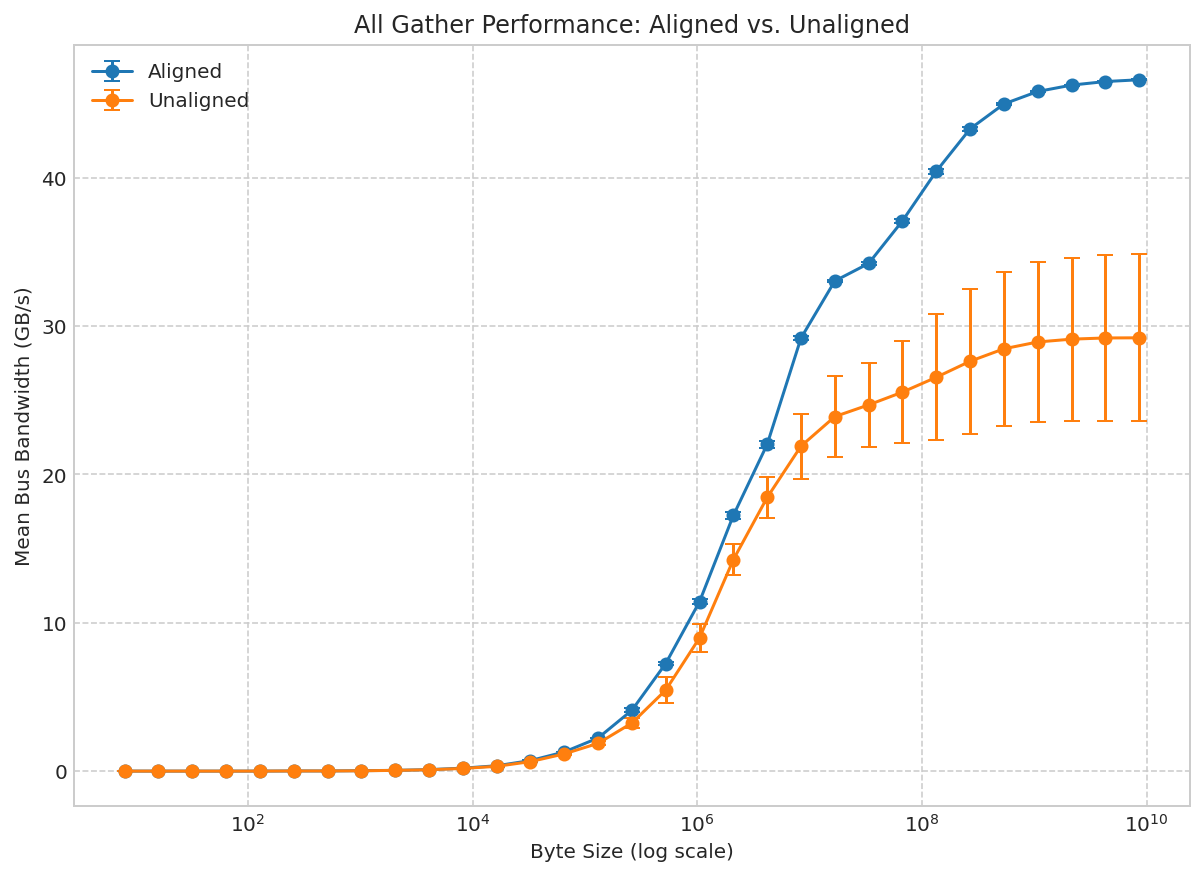
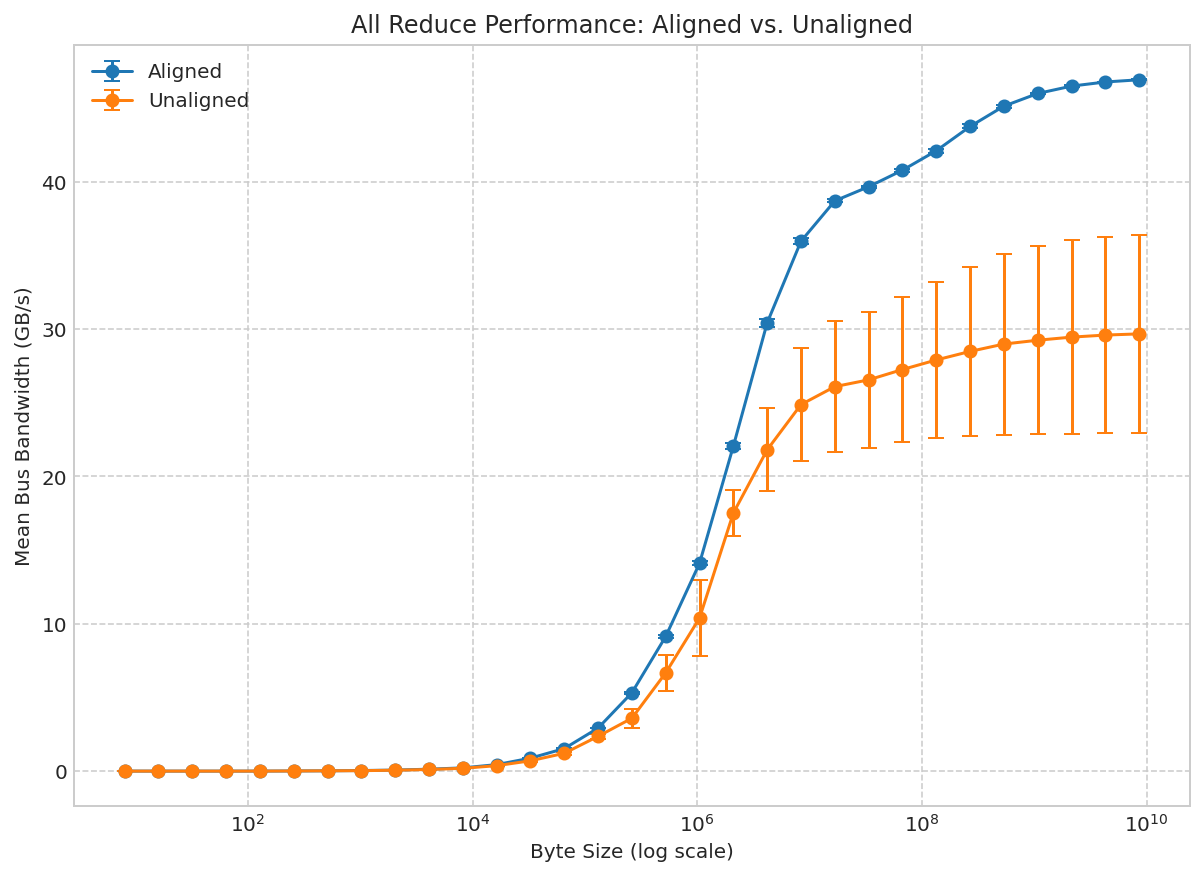
The key findings include:
- Up to 60% Bandwidth Increase: By enabling topology-aware scheduling of GPUs and NICs, DRANET boosts bus bandwidth by up to 59.6% for
all_gatherand 58.1% forall_reduceoperations in distributed AI/ML workloads. - Operational Simplicity: The paper demonstrates how the KND model used by DRANET drastically simplifies the management of high-performance hardware, replacing fragile, multi-component chains with a clean, composable architecture.
How It Works
The DRANET driver communicates with the Kubelet through the DRA API and with the Container Runtime via NRI. This architectural approach ensures robust supportability and minimizes complexity, making it fully compatible with existing CNI plugins in your cluster.
Upon the creation of a Pod's network namespaces, the Container Runtime initiates a GRPC call to DRANET via NRI to execute the necessary network configurations.
A more detailed diagram illustrating this process can be found in our documentation: How It Works.
Quick Start
To get started with DRANET, your Kubernetes cluster needs to have Dynamic Resource Allocation (DRA) enabled. DRA is stable since Kubernetes v1.35 and enabled by default.
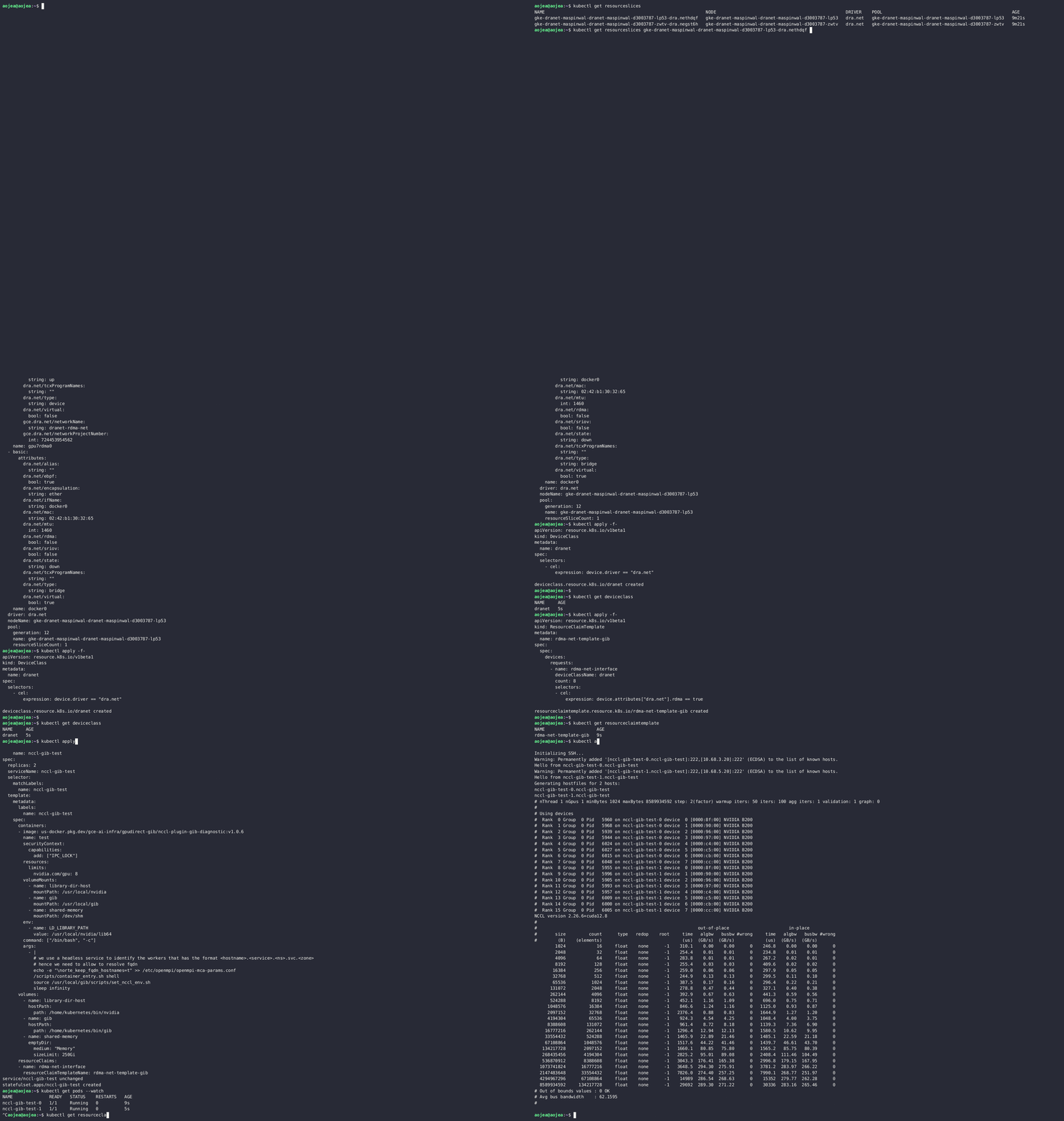
Kubernetes Cluster with DRA
KIND
If you are using KIND, you can create a cluster with the following configuration:
kind: Cluster
apiVersion: kind.x-k8s.io/v1alpha4
nodes:
- role: control-plane
  image: kindest/node:v1.37.0
- role: worker
  image: kindest/node:v1.37.0
- role: worker
  image: kindest/node:v1.37.0
Then to create the cluster:
kind create cluster --config kind.yamlGoogle Cloud (GKE)
For instructions on setting up DRA on GKE, refer to the official documentation: Set up Dynamic Resource Allocation
Installation
Install the DRANET v1.5.0 release using the published Helm chart:
helm install -n kube-system dranet oci://registry.k8s.io/networking/charts/dranet --version v1.5.0For available configuration options, see the chart README.
DRANET persists prepared pod device configuration in a local bbolt database so
NRI hooks can continue initialization after a driver restart. The default DB
path is /var/run/dranet/dranet.db, so deployment manifests must mount
/var/run/dranet as writable storage (hostPath with DirectoryOrCreate in the
provided manifests).
You can override the DB path with --db-path; set it to an empty
string to disable persistence and use in-memory state.
How to Use It
Once DRANET is running, you can inspect the network interfaces and their
attributes published by the drivers. Users can then create DeviceClasses,
ResourceClaims, and/or ResourceClaimTemplates to schedule pods and allocate
network devices.
For examples of how to use DRANET with DeviceClass and ResourceClaim to
attach network interfaces to pods, please refer to the Quick Start
guide.
Contributing
We welcome your contributions! Please check out our CONTRIBUTING.md for more information.
Further Reading
Explore more concepts and advanced topics:
- Design: Understand the architectural choices behind DRANET: Design
- RDMA: Learn about RDMA components in Linux and their interplay: RDMA
- References: A list of relevant Kubernetes Enhancement Proposals (KEPs) and presentations: References